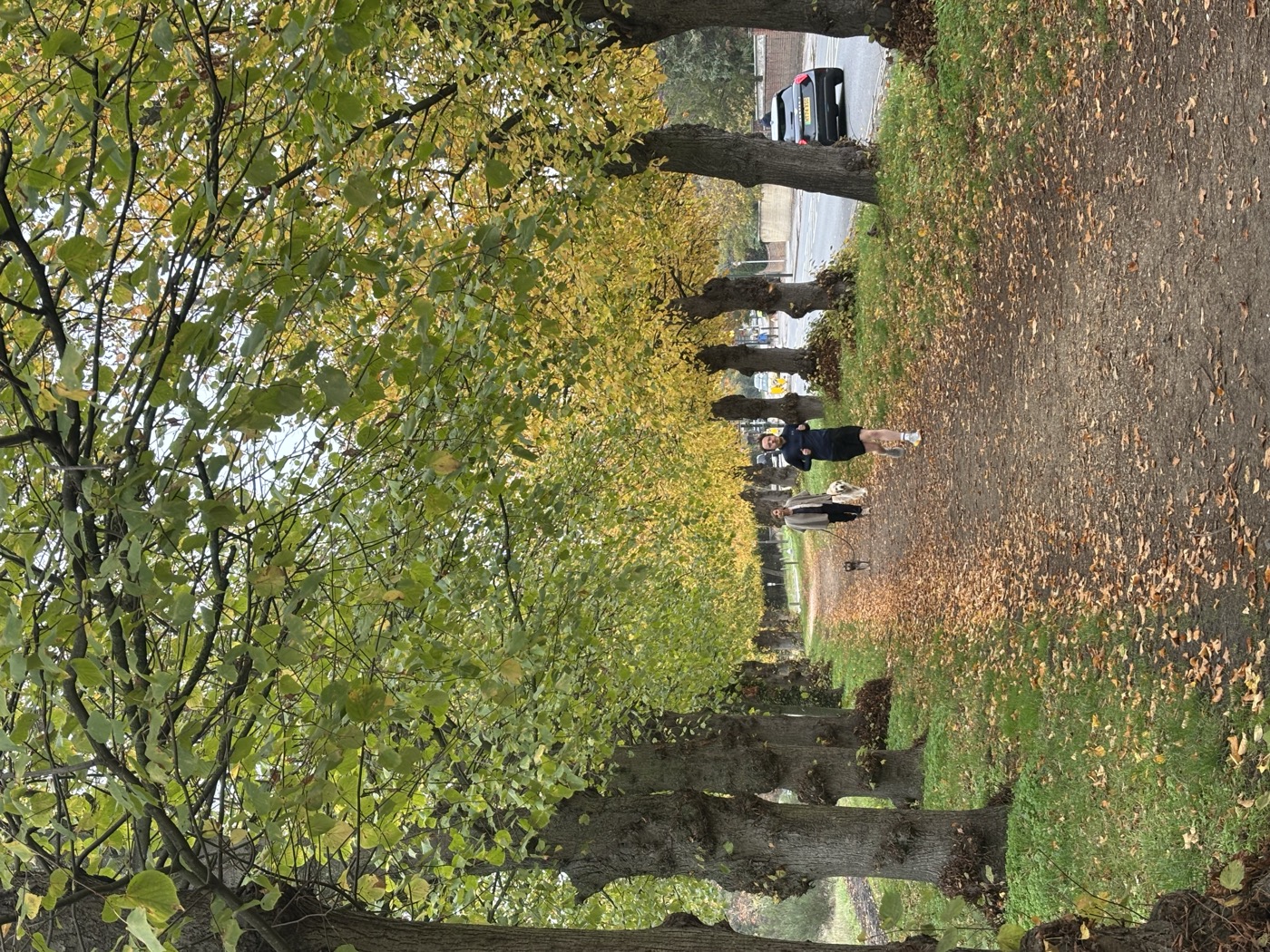
Lynn's October Favourites
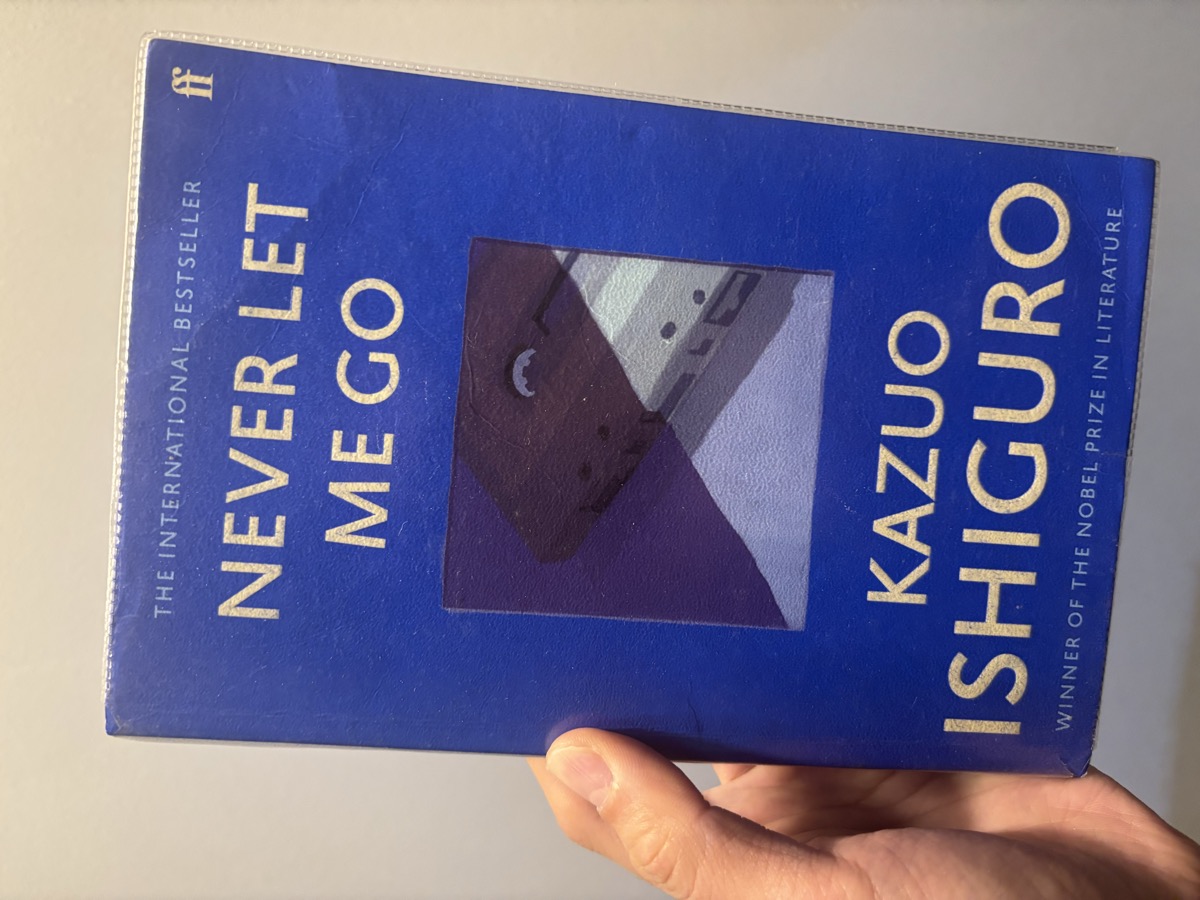
My favourite book in October was Kazuo Ishiguro's Never Let Me Go.
I hadn't read a novel in two years, and it felt so good to come back to fiction.
Unlike the non-fiction books that try to explain, analyse and quantify human cognition, what I love about fiction is that it can capture feelings that are so subtle, sometimes almost impossible to put into words.
Spoilers below.
The story follows a group of clones who are raised from childhood and eventually expected to donate their organs. They know the short lives that have already been planned for them, yet they still read, argue, fall in love, and try to live an ordinary life.
What I loved most was Ishiguro's delicate portrayal of human nature. In particular, the way he captures feelings that arrive too late, and the things we say that are completely opposite to what we feel inside.
Sometimes, we are not even faithful to our own feelings.
And the language we rely on so much can sometimes work like a filter, keeping our real feelings from fully reaching another person.
Even when we finally manage to be honest about how we feel, do we have the capacity to take the risk that comes with it? Will the other person respond in the same way?
After finishing the book, I felt that the saddest thing was not that the clones never rebel against the system, but that we can have infinitely complex feelings inside us, while reality doesn't always give those feelings the space to become a life we can actually live.
十月份最喜欢的一本书,是石黑一雄的 Never Let Me Go。
我已经有两年没有读过小说了,重新读小说的感觉真好。
和那些试图解释、分析和量化人类认知的非虚构书籍不同,小说的美感恰恰在于,它能够以自己的方式捕捉那些非常细腻、甚至难以被准确表达的人类情感。
以下有剧透
故事讲述了一群从小被养育、最终为人类捐献器官的克隆人。他们知道自己被安排好的短暂命运,却依然读书、争吵、谈恋爱,试图过着普通人的生活。
但让我非常喜欢这本书的,是石黑一雄对人性的细腻刻画。特别是在刻画那些迟到的情感,还有那些我们说出来的跟内心完全不符的话。我们有时并不忠于自己的情感。而我们时刻依赖的语言有时像一个过滤系统,让真实的感受无法完整地抵达另一个人。
而即使我们终于能够诚实地面对自己的感受,又是否有能力承担它带来的风险?对方是否也愿意以同样的方式回应我们?
读完这本书,我觉得最可惜的不是克隆人不会反抗制度,而是人的内心可以拥有无限复杂的感受,但现实未必允许这些感受获得相应的生活空间。
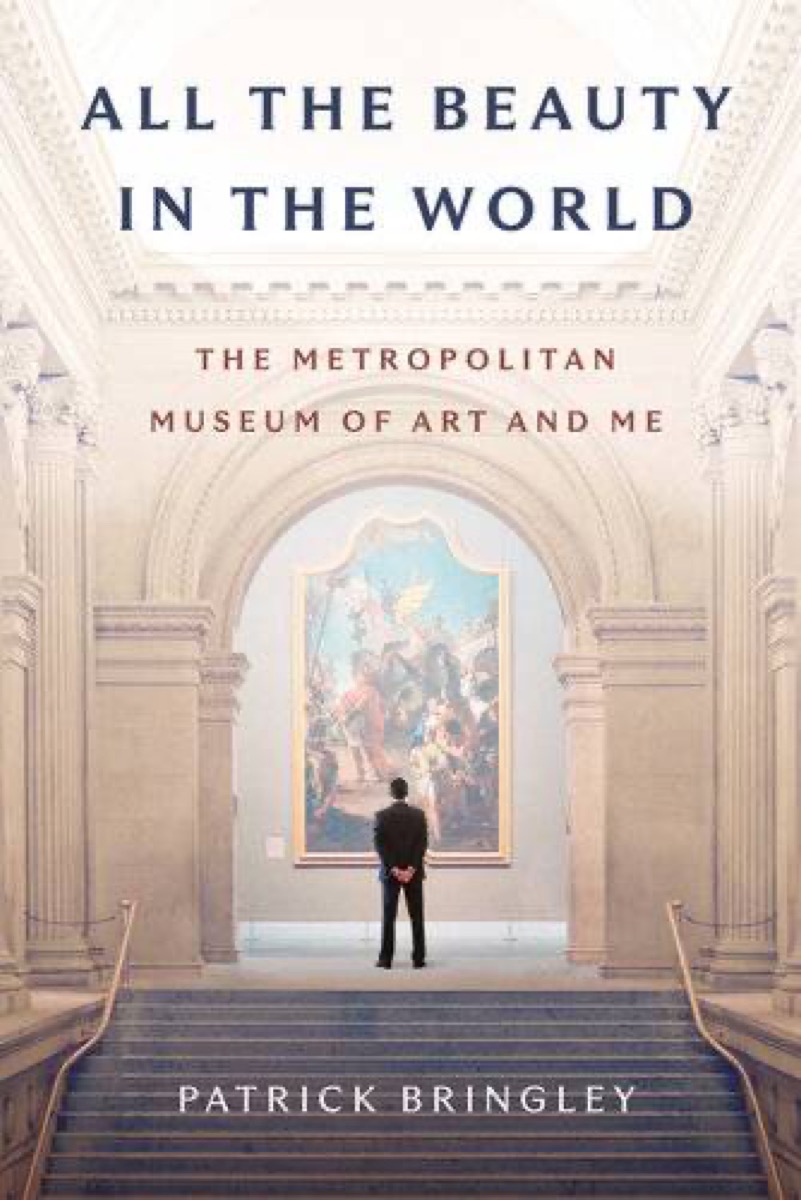
Interestingly, when I first came across this book, I thought it was an introduction to art at the Metropolitan Museum of Art. It was only later that I discovered that the author had actually worked there as a security guard for ten years.
He used to work at The New Yorker, but after his brother died of cancer, he went through a profound personal loss. He eventually left his job and went to work as a security guard at the Met, where he stayed for ten years.
The book documents his experience as a museum guard. He writes about his interactions with visitors and the little-known details of everyday work, including the museum's security systems, its internal spaces, and things that ordinary visitors rarely get to see.
What makes the book most interesting is his understanding of the artworks themselves.
I've read a lot of art criticism and encountered many interpretations written from the perspectives of artists or people working in the art world. But this book feels very different.
The author is not an art critic in the traditional sense. His perspective sits somewhere between professional art criticism and that of an ordinary visitor. He has a remarkably subtle sensitivity to art, but he doesn't explain the works through overly technical or theoretical language. Often, he simply draws on his own observations and life experiences to describe why a particular work attracts him.
One of my favourite parts of the book is the many stories about his family and personal feelings, especially the time he spent with his brother in the hospital during his illness, and the small details surrounding family, loss, and memory.
These stories are woven together with his observations at the museum. They made me feel that what matters most about art is the connection it creates with our own experiences and emotions.
The book also changed the way I think about art galleries and museums. Before, when I visited a gallery, I usually focused on the exhibition, the artworks themselves, and what the artist was trying to express. After reading this book, I became more interested in the people standing in the galleries, the staff and the visitors, and how they look at the artworks.
After reading it, I feel that if I ever go to New York, the Met alone would be worth spending at least a week in.
非常有意思的是,这本书我一开始误以为是关于大都会美术馆的艺术普及书籍,但后来才得知,作者曾在那里当了十年的保安。他过去是在《纽约客》工作,因为哥哥患癌症去世,经历了很大的打击。后来,他辞职跑去了大都会美术馆做保安,并在那里一做就是十年。
书中记录了他作为博物馆保安的经历。他写自己与游客之间的故事,也写那些日常工作中不为人知的细节,包括博物馆的安保系统、内部空间,以及普通观众很少有机会接触到的事情。
当然,最吸引人的还是他对那些艺术作品的理解。
我读过很多艺术评论,也看过不少从艺术家或艺术从业者角度出发的作品解读。但这本书很不一样。
作者不是传统意义上的艺术评论家,所以他的感受介于专业的艺术评论和普通观众之间。他对艺术有非常细腻的感知,却不会用过于专业或理论化的方式去解释作品。很多时候,他只是从自己的观察和生活经验出发,去讲述一件作品为什么吸引他。
书中我最喜欢的部分,包括很多关于他的家庭和个人情感的故事,尤其是哥哥生病期间,他们在病房里的相处,以及那些关于亲情、失去和记忆的细节。这些故事与他在美术馆里的观察交织在一起,让我觉得艺术更重要的是与自己的经历和情感产生的联系。
这本书也改变了我理解美术馆和博物馆的视角。以前去美术馆,我通常关注展览、作品本身,以及艺术家想要表达什么。但读完这本书,我开始对那些站在展厅里的工作人员和游客,以及他们如何观察作品也产生了兴趣。
受这本书的影响,如果去纽约,那仅仅大都会也值得至少待一周。
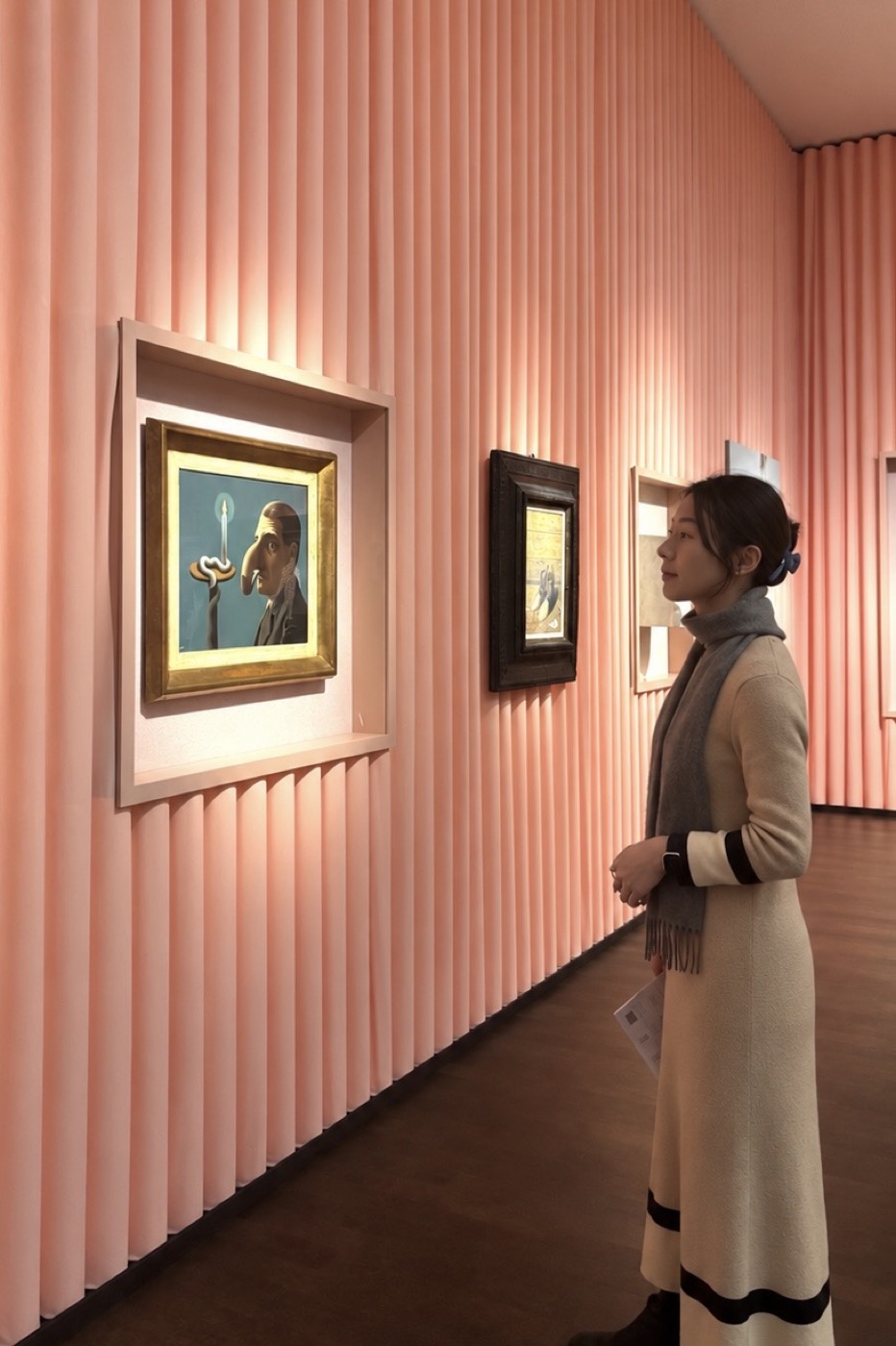
In October, I saw nearly ten exhibitions. But if I had to name my favourite artist, it would still be Magritte.
I saw his works at Gagosian and the Courtauld. Gagosian held a Magritte-themed exhibition that also included works by contemporary artists, while the Courtauld showed four of his paintings.
Between the two, I preferred the four at the Courtauld.
What I find most interesting about Magritte is how he uses irony to make us look at things we usually take for granted.
Take The Dominion of Light. He puts day and night in the same painting, without any transition between them. Or his famous pipe, with the words underneath: "This is not a pipe."
十月份我看了非常多的展览,差不多有十个。但如果要说最喜欢的艺术家,还是马格利特。
这次我看了他在高古轩画廊和 Courtauld 美术馆的作品。高古轩举办的是一场以马格利特为主题、同时展出当代艺术家作品的展览,而 Courtauld 则展出了四幅马格利特的作品。相比之下,我还是更喜欢 Courtauld 的那四幅。
马格利特最吸引我的地方,是他特别喜欢用一种反讽的方式,去表达一些我们原本认为很常规、很常见的概念。
比如《光之帝国》(The Dominion of Light),他在同一幅画里同时呈现白天和黑夜,却没有任何渐变。又比如那幅非常有名的烟斗,画面下面却写着「这不是一只烟斗」。
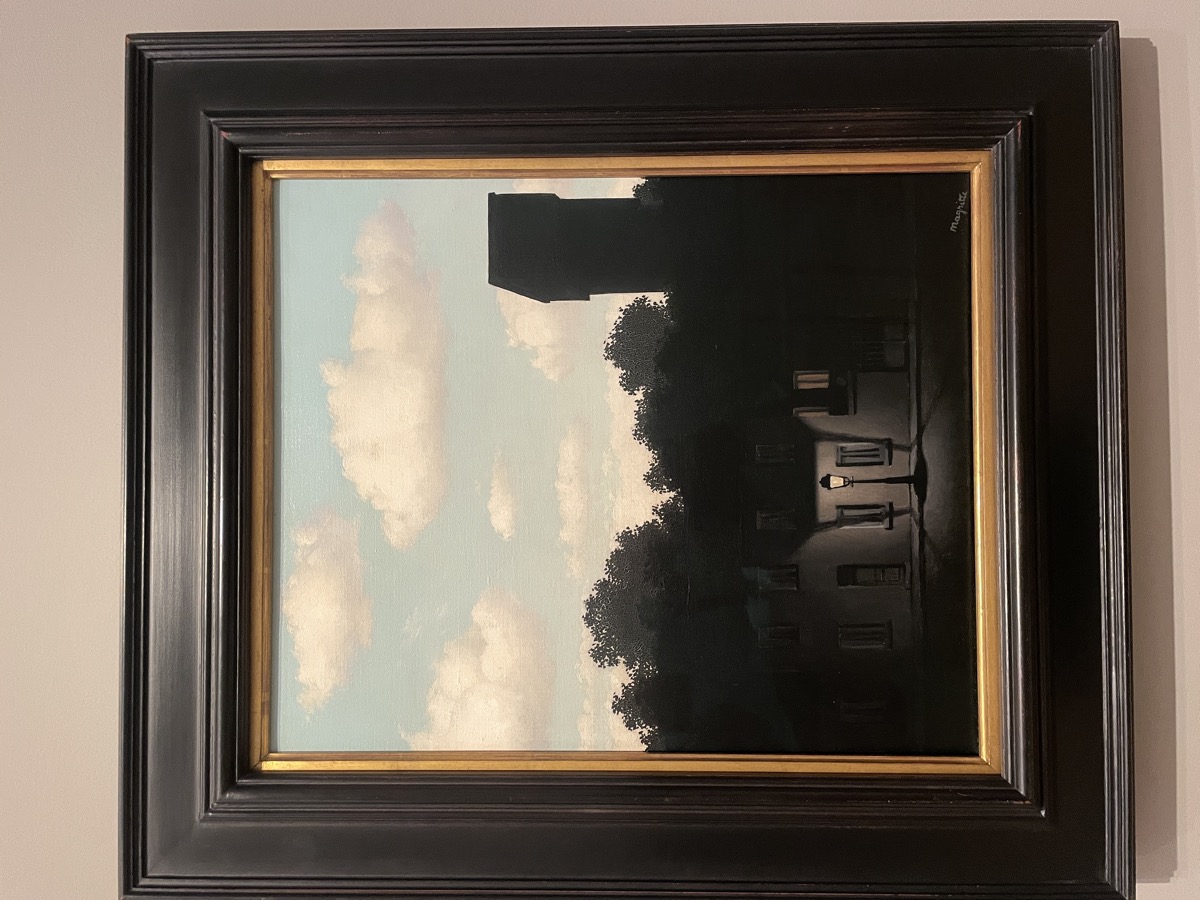
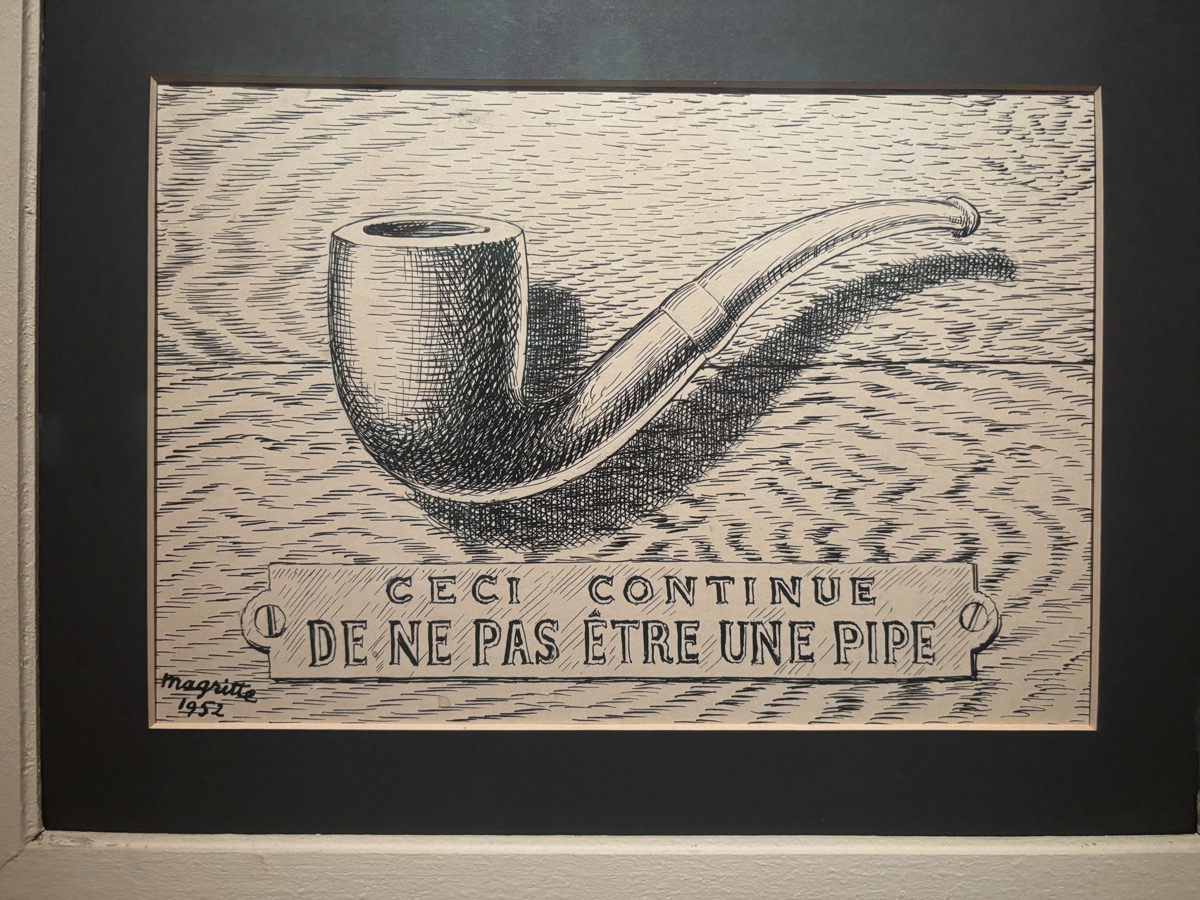
His technique is incredibly fine, almost classical and realistic. And yet, he places things that make no sense in the real world into scenes that look completely real.
One of my favourite works this time was The Anger of the Gods.
At first glance, the painting is quite funny. A horse and its rider appear above a car.
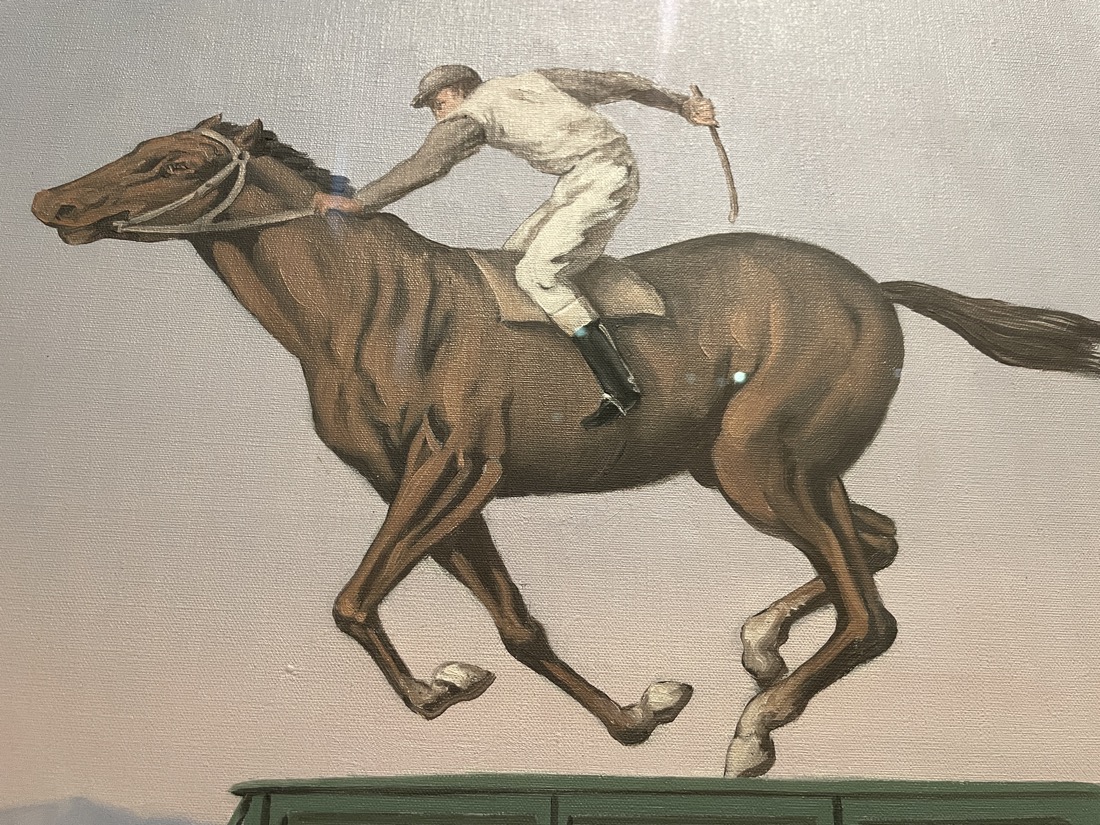
But what really drew me in was the way Magritte painted the horse and the car.
The horse is the most alive part of the painting. Its muscles, posture and movement are so finely drawn that you almost feel it running.
他的画法非常细腻,带着一种近乎古典、写实的感觉,却会把一些完全不符合现实逻辑的东西,放进看起来非常真实的画面里。
这次我最喜欢的作品之一,是《诸神的愤怒》(The Anger of the Gods)。
画面里,一匹马和骑手出现在一辆汽车上方。乍一看非常滑稽。
但真正吸引我的,是马和汽车在画面里的呈现方式。
马是整幅画里最有生命力的部分。它的肌肉、姿态和动作都被描绘得非常细腻,甚至让你觉得它真的正在奔跑。
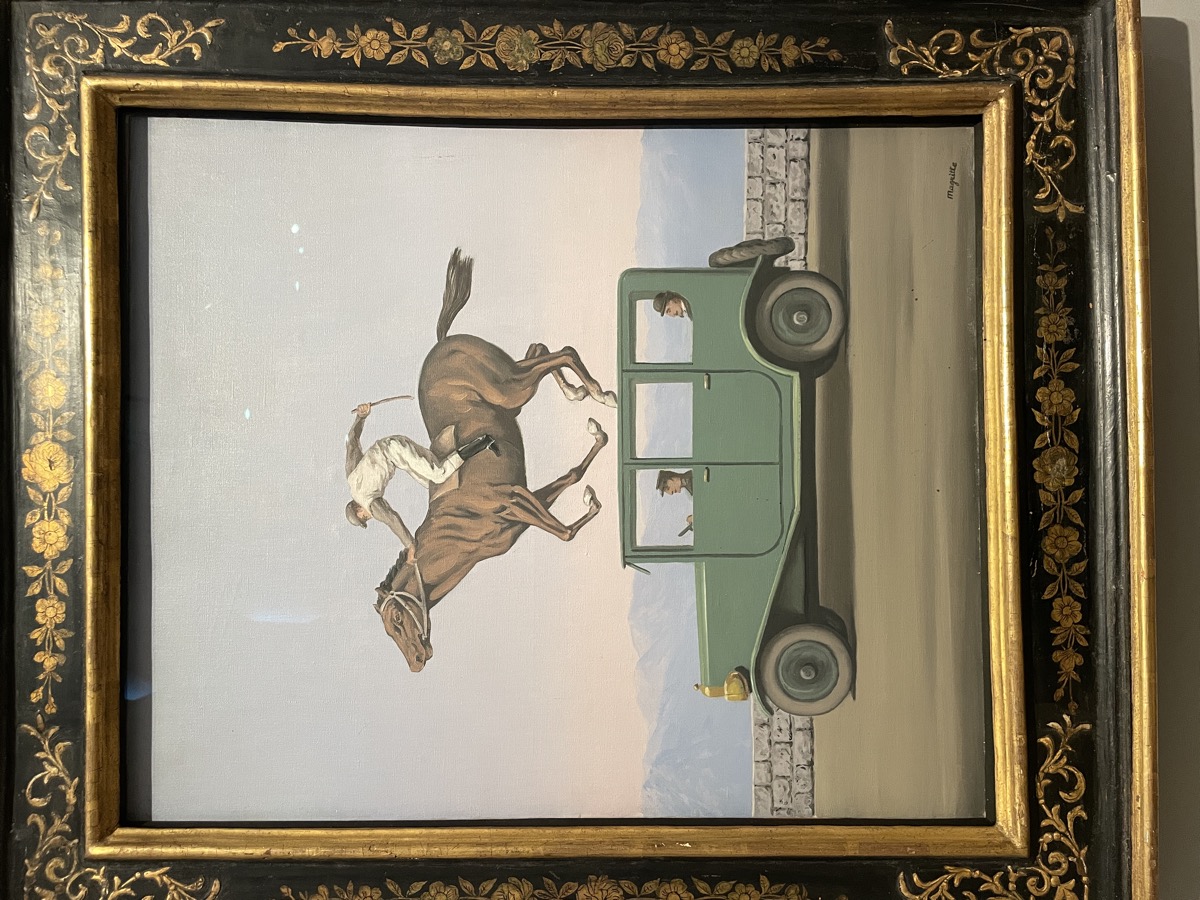
The car below is completely different. Its shape is very neat, almost like something from a children's drawing. The outlines are clear, and the whole thing looks a little cartoonish, with almost no transition between light and shade.
Looking at the two together, I found a strange contrast: the horse feels real, while the car somehow looks flattened.
但下面的汽车却完全不同。它的形状非常规整,几乎像一幅儿童画。轮廓线明确,整体看起来有些卡通化,几乎没有明暗之间的过渡。
所以,当你同时看这两个部分的时候,会发现一种非常奇怪的反差:马反倒像是真的,而汽车却有点像被压平了。
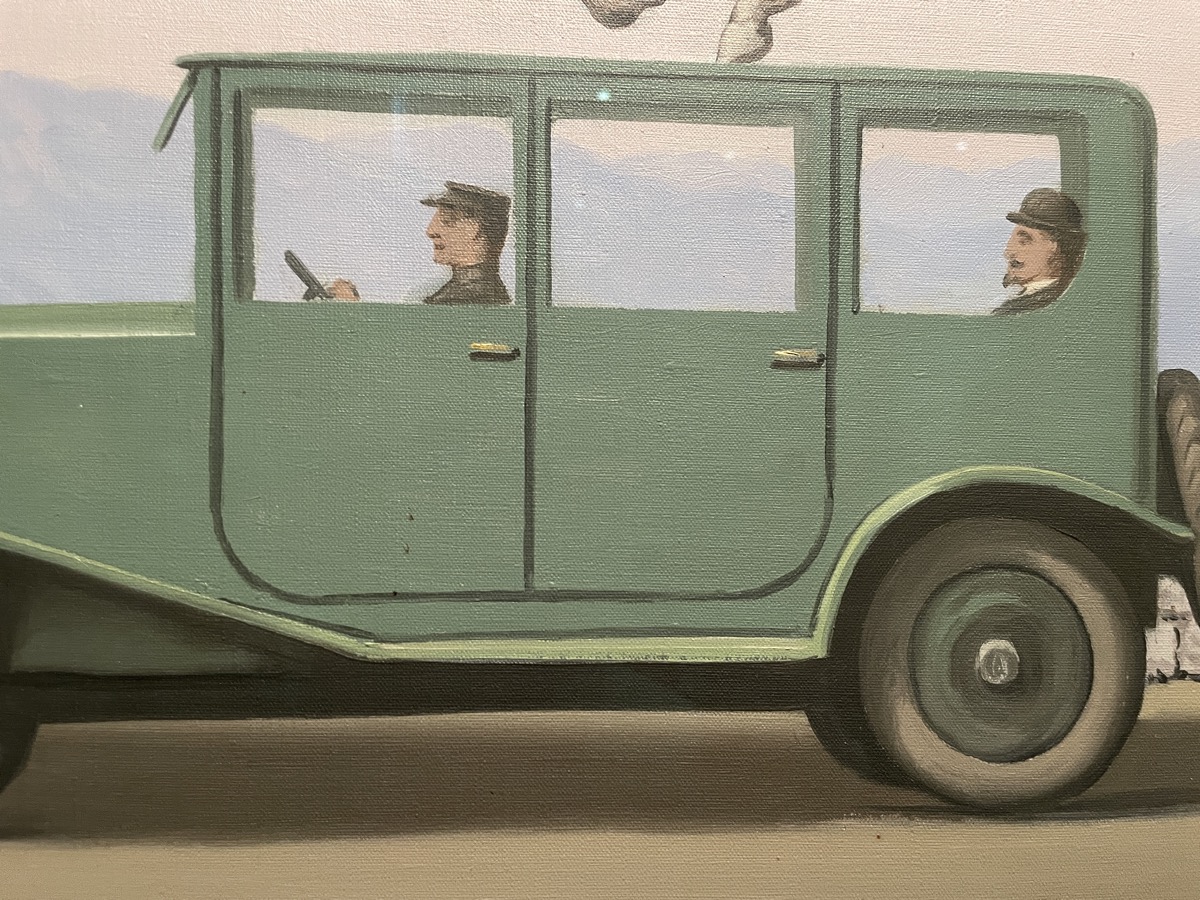
I started wondering whether this might reflect something about the way we live. As technology becomes more convenient and efficient, do we also become more accustomed to a life that is increasingly simplified and neatly organised?
What I love about Magritte is how he puts things that shouldn't belong together into the same picture. Contrast, humour and irony sit alongside ideas that seem impossible to exist at the same time.
And suddenly, the things we take for granted begin to look different. Maybe they just need to be seen from another perspective.
这是不是在映射,当技术变得越来越方便、越来越有效率的时候,我们似乎也越来越习惯一种被简化、被规整的生活?
马格利特最有意思的地方,就是他能够在一个瞬间,把反差、幽默和讽刺,以及一些原本不可能同时存在的概念放在一起。
那些我们习以为常的东西,是不是需要换一种方式去观看?
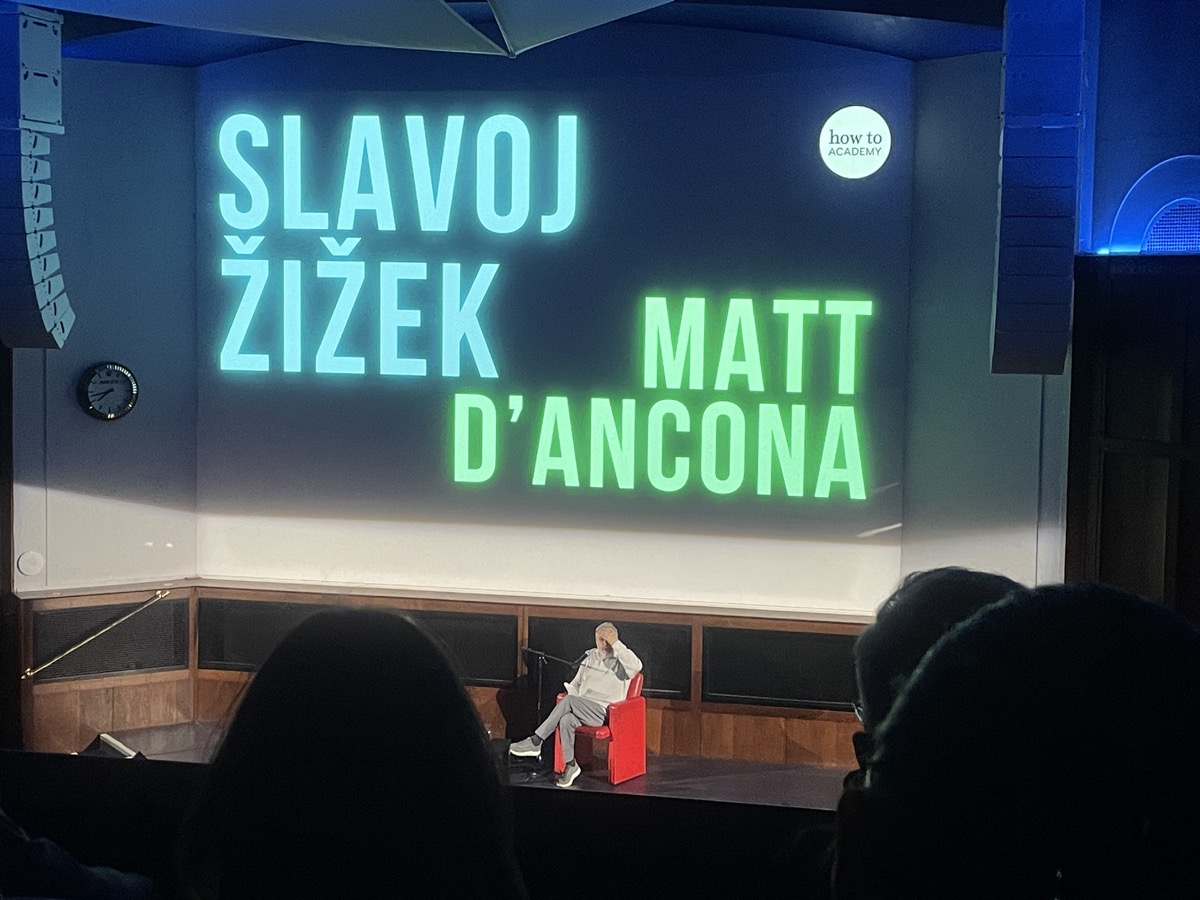
At the end of October, the London Literature Festival was taking place, with a range of writers and cultural events, including conversations between Grammy-winning singer Dua Lipa and Zadie Smith, as well as punk icon Patti Smith.
But my favourite event of the month was seeing Slavoj Žižek live. He is one of the most widely discussed philosophers of our time.
十月底刚好是伦敦文学节,期间有很多作家和文化活动,包括格莱美歌手 Dua Lipa 与 Zadie Smith 的对谈,以及朋克教母 Patti Smith 的活动。
但这个月我最喜欢的,还是去听了 Slavoj Žižek(斯拉沃热·齐泽克)的现场讲座。他是当今最受关注的哲学家之一。
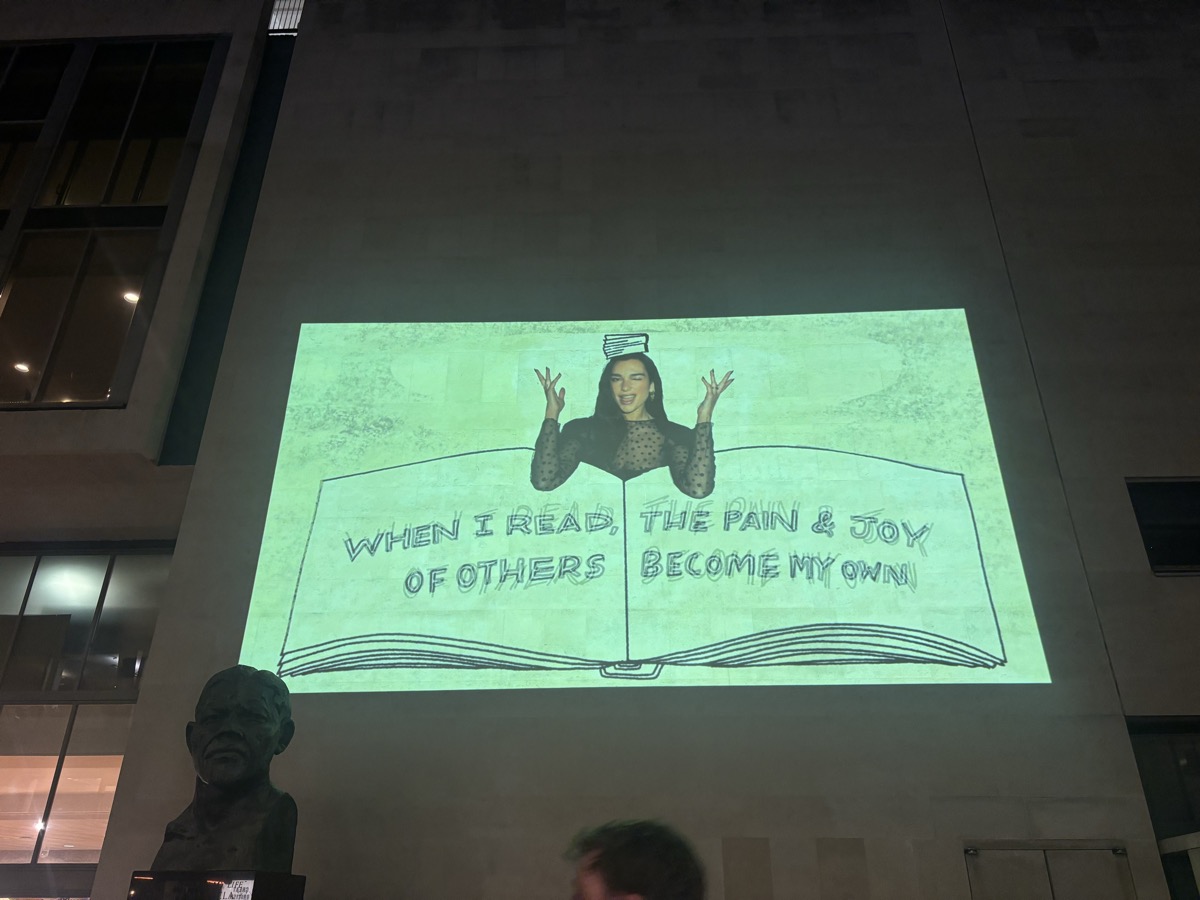
The lecture covered a lot of questions about society, politics, and individual freedom. But the question that stayed with me the most was:
Are we becoming increasingly used to understanding self-display as a form of freedom?
He argued that many behaviours we once considered rebellious no longer have the same subversive power. Being famous, making noise, displaying our bodies and desires, things that were once seen as ways of breaking taboos, have now become very common forms of cultural expression.
He even borrowed a concept from Herbert Marcuse: repressive desublimation.
Žižek used a scene from a film to explain this further.
A woman invites a man upstairs for a cup of coffee. The desire behind the invitation is never explicitly expressed, yet both of them understand what is going on without needing to say it.
Desire exists precisely in those things that are left unsaid.
When society increasingly encourages us to display ourselves and express everything, are the things that once existed through suggestion, along with those voices that would rather remain silent, being pushed to the margins?
Does freedom mean not only having the ability to express ourselves, but also retaining the freedom not to express ourselves?
讲座有很多关于社会、政治和个体自由的探讨,但我印象深刻的一个问题是:
我们是不是越来越习惯把展示自己理解为一种自由?
他认为,今天很多我们认为具有反叛性的行为,其实已经不再具有真正的颠覆性。出名、喧哗、展示自己的身体和欲望,这些曾经被认为是打破禁忌的行为,如今已经成为一种非常普遍的文化形式。
他甚至借用了马尔库塞的一个概念:压抑性的去升华(repressive desublimation)。
齐泽克拿一部电影里的场景来进一步解释:
一个女人邀请一个男人上楼喝杯咖啡,而背后没有被表达出来的欲望,不用靠语言,彼此心知肚明。
欲望恰恰存在于那些没有被直接说出来的东西里。
当社会都更鼓励去展示、去表达的时候,那些原本存在于暗示中的东西,以及那些更想保持沉默的声音,是不是就处于一种被动边缘化的状态?
自由是否不仅意味着可以表达自己,也意味着我们依然拥有不表达的自由?
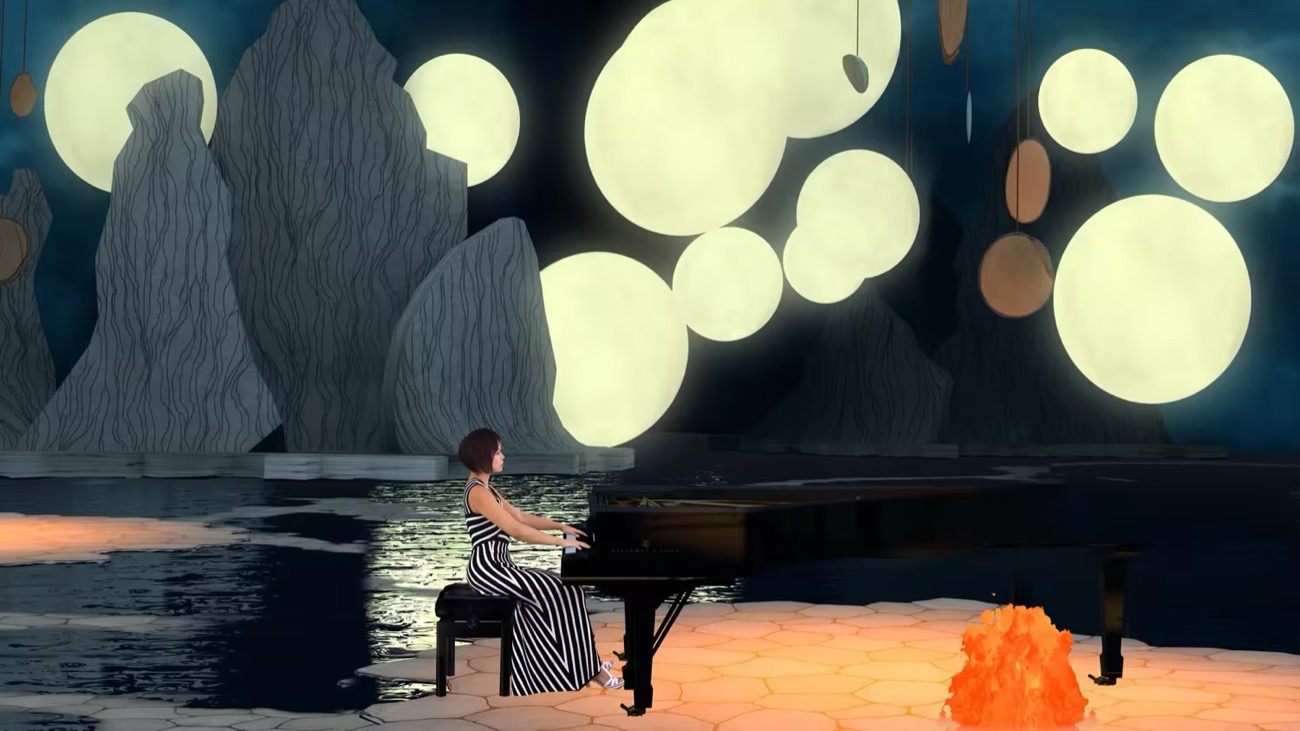
In October, I also experienced Yuja Wang's immersive performance Playing with Fire.
It wasn't my favourite performance of the month, but it was certainly a very unusual experience, and one I really wanted to share.
Although I had already seen Yuja Wang perform live several times, this experience gave me a completely different feeling.
It wasn't a traditional piano concert, but a performance combining VR and immersive visual experiences. Everyone in the audience wore a VR headset. Once you put it on, it felt as though the entire world had been reduced to yourself, the piano, and Yuja Wang's performance.
十月份我还去体验了王羽佳的沉浸式音乐演出 Playing with Fire。
这并不是我这个月最喜欢的一场演出,但它确实是一次非常特别、也很想分享的体验。
虽然之前已经看过好几次王羽佳本人的现场演奏,但这次给了我一种完全不一样的感受。
它不是一场传统的钢琴音乐会,而是结合了 VR 和沉浸式视觉体验的演出。现场每个人都会戴上 VR 眼镜。戴上之后,整个世界仿佛只剩下你自己、钢琴,以及王羽佳的演奏。
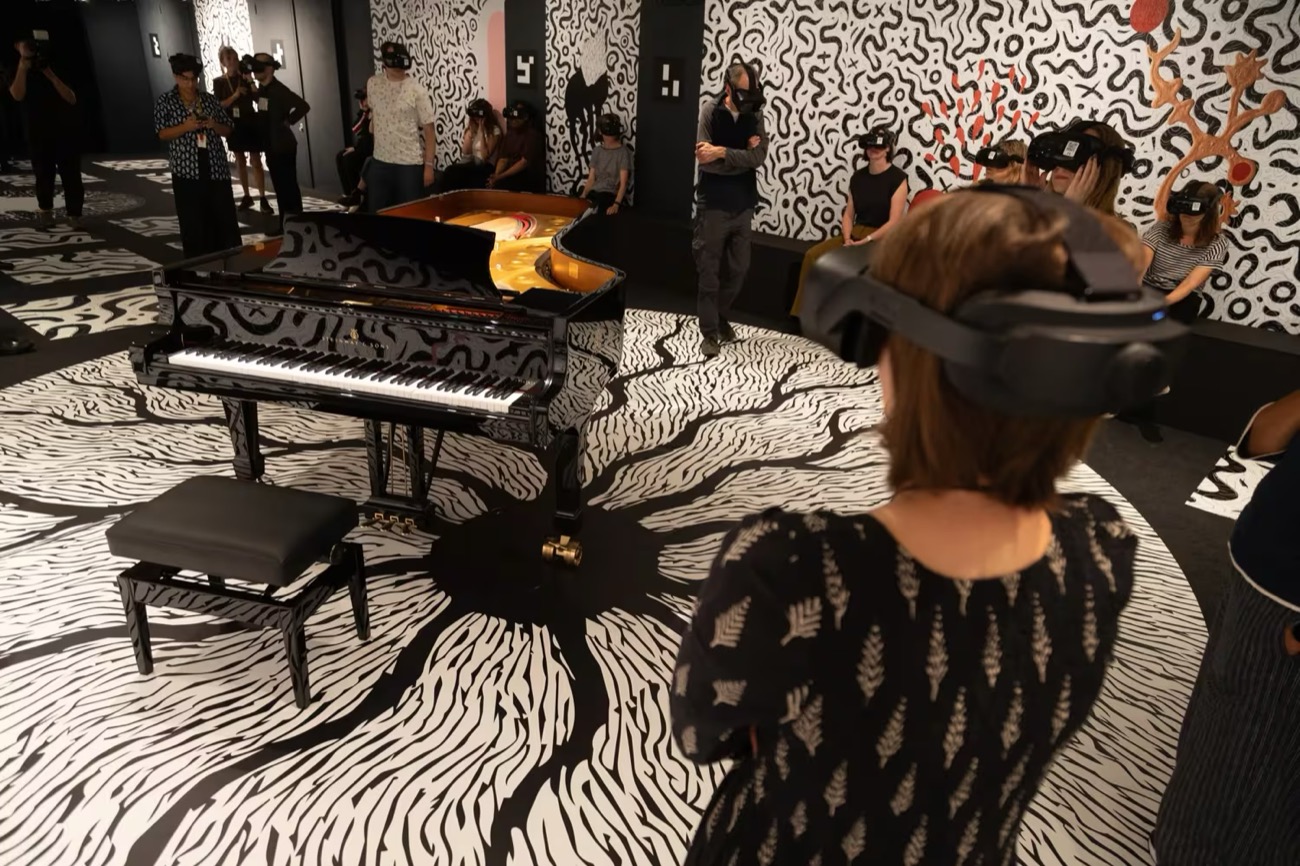
The piano was real, while Yuja Wang appeared as a virtual figure sitting in front of it. As she played different pieces, the surrounding visuals transformed accordingly.
For example, when she played Liszt's Feux follets, the entire space filled with flames. The visuals were incredibly realistic, making you feel as though you were standing in the middle of a fire. Other pieces brought scenes of boats, forests, and various dreamlike landscapes.
The most unusual part was that we could move around freely, even crouch down and watch her performance from different angles.
It was certainly a very novel experience.
But by the end of it, I realised that I still preferred a relatively pure musical experience.
I found myself constantly drawn to the visuals and animations around me. As the flames, forests, and various visual effects kept appearing, the music seemed to become part of the visual spectacle.
What I prefer, however, is sitting in a traditional piano concert, where my attention can be entirely focused on the music itself.
The sound of the piano, the movements of the performer, and the subtle emotional changes within the music are already enough to hold my attention.
Music itself, it seems, doesn't need too much extra to prove its appeal.
Sometimes, when we try to enhance an experience with more visual effects, we end up making the very thing that deserves our attention less prominent.
钢琴是真实的,而王羽佳则以虚拟形象出现在钢琴前。她演奏不同的作品时,周围的画面也会随之变化。
比如,当她弹李斯特的《鬼火》时,整个空间会出现大量火焰。画面非常逼真,让你感觉自己仿佛置身于一片火海之中。还有一些作品会出现船、森林,以及各种梦境般的场景。
最特别的是,我们可以自由走动,甚至蹲下来,从不同的角度近距离观看她的演奏。
这确实是一种非常新颖的体验。
但整场下来,我自己还是更喜欢一种相对纯粹的音乐体验。
我发现会不断被周围的画面和动效吸引。当火焰、森林和各种视觉效果不断出现时,音乐似乎也变成了这些画面的一部分。
但我更喜欢的是,当我坐在一场真正的钢琴音乐会里,注意力可以完全放在音乐本身。
钢琴的声音、演奏者的动作,以及那些音乐里细微的情绪变化,已经足够吸引我。
音乐本身,似乎并不需要太多额外的东西来证明它的魅力。
有时候,当我们试图通过更多的视觉效果去增强一种体验时,反而会让原本最值得关注的东西变得没有那么突出。
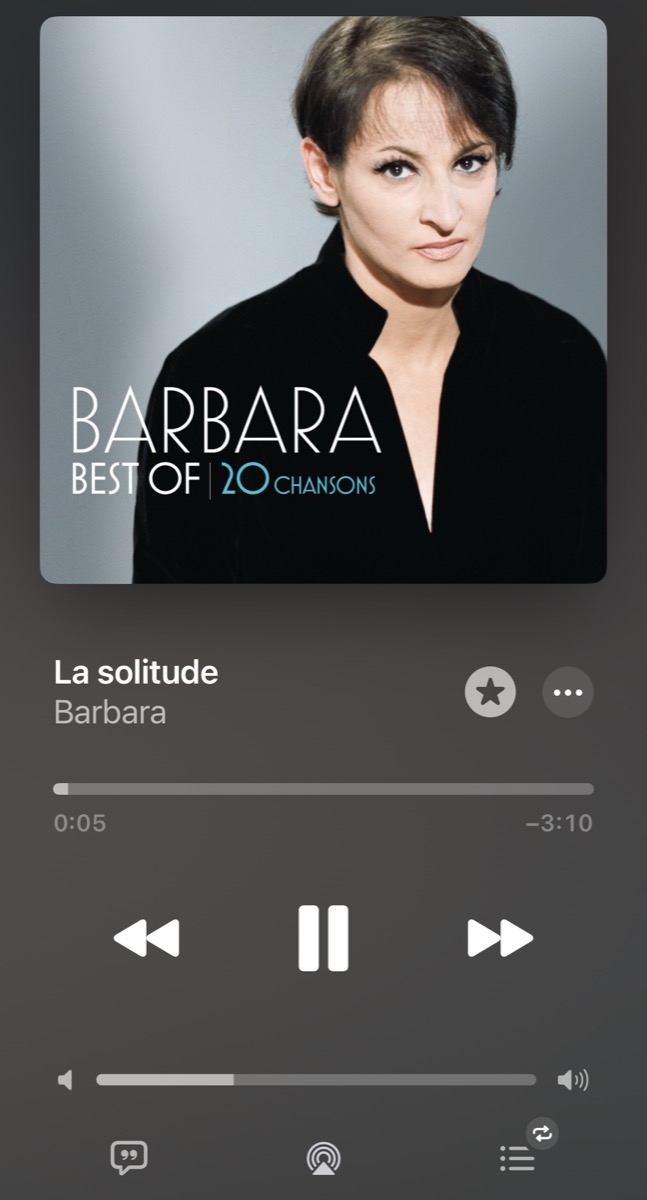
One of the songs I listened to most in October, and one I still love, was the French chanson La Solitude.
The song comes from Rambert's centenary tour, which I saw in June. The entire performance left a very deep impression on me, and this song was one of the musical moments I particularly loved.
In the first act, the live performances of Chopin and Bach's suites still carried a certain classical elegance, only to be suddenly interrupted by the impact of rough underground electronic music.
The choreography was equally rebellious. Almost none of the movements were graceful or extended. Instead, there were bodily spasms, uncontrolled pushing and shoving, and movements that seemed completely unconcerned with beauty.
And yet, in the middle of this almost exhausting back-and-forth, the star dancer suddenly leapt into the air and began singing this French chanson, La Solitude, live.
It was simply a stroke of genius.
I often find myself thinking at moments like this:
"There really is a need for art."
"How could art ever be only about beauty?"
十月份,我听得最多也非常喜欢的一首音乐,是法国香颂 La Solitude(《孤独》)。
这首歌来自我六月观看的 Rambert 舞团百年巡演。整场演出给我留下了非常深刻的印象,而这首歌也是其中让我特别喜欢的一段配乐。
第一幕,现场演奏的肖邦与巴赫组曲还带着古典的体面,转头就被粗粝的地下电子乐撞击。
舞蹈动作设计也非常反叛,几乎没有身体线条是舒展的,全是不顾美感的身体痉挛、失控的推搡……
可就在这种几近力竭的推拉中,明星舞者突然在腾跃中现场开嗓,唱起了这首法国香颂 La Solitude。
这简直就是神来之笔。
我常常在这个时候觉得:
「艺术真的不可或缺啊。」
「艺术怎么可能只关于美呢?」